
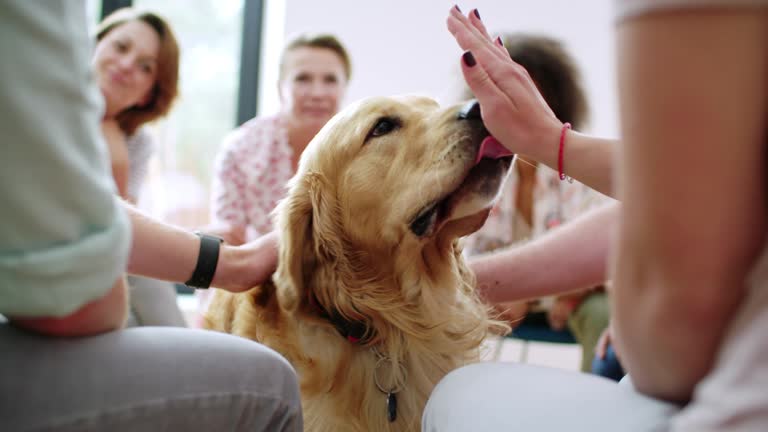
Losing a pet can be one of the most emotionally challenging experiences in a person’s life. Pets often become cherished family members, and their passing can trigger intense grief similar to losing a human loved one. This is where pet grief counseling plays a crucial role. Pet grief counseling training equips individuals with the tools and knowledge necessary to guide pet owners through the grieving process with empathy and professionalism. Through specialized training, counselors learn how to address a wide range of emotions, including sadness, guilt, anger, and denial. Understanding the depth of the human-animal bond is essential for providing effective support. With the rise in pet ownership and the growing awareness of mental health, the demand for trained pet grief counselors has significantly increased. Those who pursue this training can make a meaningful impact by helping people cope with the loss of their beloved animals.
The Role of a Pet Grief Counselor
Pet grief counselors are specially trained professionals who help individuals process the emotional impact of losing a pet. Their work requires a combination of active listening, empathy, and psychological insight. Counselors assist clients in identifying and understanding their feelings, while also teaching healthy coping mechanisms. A critical aspect of their role is validating the bond between the pet and the owner, which often helps people feel seen and understood. Beyond emotional support, counselors may guide clients through rituals of remembrance, memorial services, or creative ways to honor their pets. They also provide strategies to handle ongoing guilt or feelings of inadequacy that sometimes accompany pet loss. The role demands emotional resilience, patience, and a commitment to helping others navigate one of life’s most poignant experiences.
Pet Grief Counseling Training Programs
Pet grief counseling training programs provide the foundational knowledge and skills required to become an effective counselor. These programs are available in both online and in-person formats, offering flexibility for learners with different schedules. Training typically covers psychological principles of grief, animal-human relationships, and counseling techniques tailored for pet owners. Courses may last from a few weeks to several months, depending on the program’s depth, and costs vary based on certification level and institution. Some programs require previous counseling experience, while others welcome newcomers interested in the field. Recognized organizations offering pet grief counseling training often provide certification, increasing credibility and employability. Completing such a program ensures counselors are equipped to handle diverse grief scenarios in a professional and compassionate manner.
Core Skills Developed in Training
A comprehensive pet grief counseling training program focuses on developing essential counseling skills. Active listening is one of the most critical abilities, allowing counselors to fully understand the client’s emotions without judgment. Effective communication ensures that guidance is delivered clearly, gently, and empathetically. Counselors also learn to recognize the unique dynamics of pet-owner relationships and how these bonds affect emotional responses. Handling diverse grief reactions is a significant part of training, as clients may experience denial, anger, depression, or even relief in complex ways. Strategies for helping clients cope with these emotions are taught, including grounding exercises, journaling, and memory-keeping activities. Understanding grief theory and emotional processing techniques equips counselors to provide structured support. Additionally, training emphasizes the importance of self-care to prevent burnout, ensuring counselors maintain their well-being while assisting others.
Practical Applications of Pet Grief Counseling
Once trained, pet grief counselors can apply their knowledge in various practical settings. One-on-one counseling sessions allow personalized guidance, helping clients explore their grief at their own pace. Group therapy sessions provide community support, where pet owners can share experiences and feel less isolated. Virtual counseling is increasingly popular, enabling counselors to reach clients regardless of geographic location. Counselors also assist clients before the anticipated loss of a pet due to illness, providing strategies to prepare for the emotional impact. Following a pet’s passing, counselors may guide memorial services or remembrance rituals to foster closure. They often recommend activities such as creating memory books, planting trees, or commemorating milestones to honor the pet’s life. The practical applications of this training extend beyond direct counseling, contributing to pet welfare organizations, animal shelters, and holistic pet services.
Ethical Considerations and Professional Boundaries
Ethical standards are central to pet grief counseling. Counselors must maintain strict confidentiality, ensuring clients feel safe sharing vulnerable emotions. Recognizing personal biases is important to avoid influencing the client’s emotional processing. Counselors must also know the limits of their expertise, especially when clients require referral to licensed mental health professionals for more complex issues. Professional boundaries, including appropriate communication and emotional detachment, are emphasized in training. Ethical practice fosters trust and credibility, allowing clients to engage fully in the counseling process. Counselors are encouraged to pursue ongoing professional development to remain informed about new counseling techniques and research. Respecting both the client and the unique bond they had with their pet ensures that support is provided with integrity and care.
Benefits of Completing Pet Grief Counseling Training
Enrolling in pet grief counseling training offers multiple personal and professional benefits. Graduates gain access to niche career opportunities in counseling, veterinary clinics, and pet care services. The training enhances emotional intelligence and empathy, valuable traits both professionally and personally. Counselors can make a tangible difference in clients’ lives, helping them navigate one of the most emotionally significant experiences of pet ownership. Training also provides practical tools to manage one’s own grief and emotional responses effectively. Certified counselors can attract clients seeking specialized support for pet loss, increasing credibility and trust. Beyond career advancement, the knowledge gained contributes to broader awareness about the importance of mental health in pet care communities.
Challenges in Pet Grief Counseling
Working as a pet grief counselor presents emotional challenges that require careful management. Counselors often deal with intense grief, which can be emotionally draining if not handled properly. Some clients may display complex reactions such as prolonged depression or guilt, requiring advanced counseling strategies. Maintaining personal well-being is critical to avoid burnout and emotional fatigue. Counselors must navigate sensitive topics delicately, balancing empathy with professional boundaries. Continuous education is necessary to stay updated on new techniques, grief research, and therapeutic approaches. Despite these challenges, the rewards of helping clients find comfort, closure, and emotional healing make the work highly meaningful.
Tips for Choosing the Right Training Program
Choosing the right pet grief counseling training program ensures quality education and professional credibility. Consider programs with recognized accreditation and strong reputations in the field. Review the curriculum to ensure it covers practical counseling techniques, grief psychology, and ethical guidelines. Look for programs offering hands-on practice, such as supervised counseling sessions or role-playing exercises. Feedback from past participants can provide valuable insight into program quality and effectiveness. Assess the flexibility of the program to fit your schedule, including online or hybrid options. Evaluate costs relative to the depth and certification value of the training. Selecting the right program ensures you are well-prepared to support pet owners through the grieving process effectively.
Frequently Asked Questions
What qualifications are needed to become a pet grief counselor?
- While some programs accept newcomers, prior experience in counseling or mental health can be beneficial. A strong understanding of human-animal bonds is also important.
How long does training typically take?
- Training programs can range from a few weeks to several months depending on depth, format, and certification requirements.
Can I pursue this training if I’m not a licensed therapist?
- Yes, many programs welcome individuals without prior licensure, though advanced roles may require professional credentials.
Is pet grief counseling in demand?
- With increasing pet ownership and awareness of mental health, the demand for trained counselors is growing steadily.
Are there online certifications available?
- Yes, many reputable organizations offer online pet grief counseling training with flexible schedules for learners.
Takeaway
Pet grief counseling training provides the tools, knowledge, and confidence to help pet owners navigate one of life’s most emotional challenges. By completing specialized training, counselors develop empathy, communication skills, and practical strategies to support clients through grief. The field offers meaningful career opportunities while fostering personal growth and resilience. Ethical practice, continuous learning, and emotional self-care are essential components of this work. As more people recognize the importance of addressing pet loss, trained counselors play a vital role in offering comfort, guidance, and healing. Pet grief counseling training not only prepares you to assist others but also strengthens your understanding of the profound bond between humans and their pets.