
Understanding the Concept of Remote Closing Jobs
Remote closing jobs refer to a modern form of sales work where professionals close high-value deals entirely online without meeting clients in person. When people ask what is remote closing jobs, they are usually referring to a digital sales role where the final stage of a sales process is handled through phone calls, video meetings, or online communication tools. This role is built around persuasion, communication, and guiding potential clients toward making a purchasing decision for a product or service. Unlike traditional sales roles that rely on physical presence, remote closing operates entirely in a virtual environment.
The concept became more popular as businesses shifted toward online models and digital marketing strategies. Companies now generate leads through ads, funnels, and webinars, then pass qualified prospects to remote closers who finalize the sale. This system allows businesses to scale globally while reducing the need for physical offices and face-to-face interactions. Remote closing jobs are especially common in industries that sell high-ticket offers, such as coaching programs and software services. The role is highly performance-based, meaning income is often tied directly to results.
Remote closing also relies heavily on structured sales processes. Each interaction follows a sequence that helps guide the client from curiosity to commitment. Closers are trained to understand buyer psychology and adapt their communication style accordingly. The goal is not just to sell, but to align solutions with customer needs in a meaningful way. This makes the role both strategic and conversational in nature.
How Remote Closing Jobs Work in Real Business Settings
Remote closing jobs operate within a structured digital sales ecosystem designed to maximize conversions. The process typically begins when a lead is generated through marketing efforts such as social media ads, webinars, or landing pages. These leads are then filtered and qualified before being handed to a remote closer. The closer’s responsibility is to engage the prospect and guide them toward a final decision.
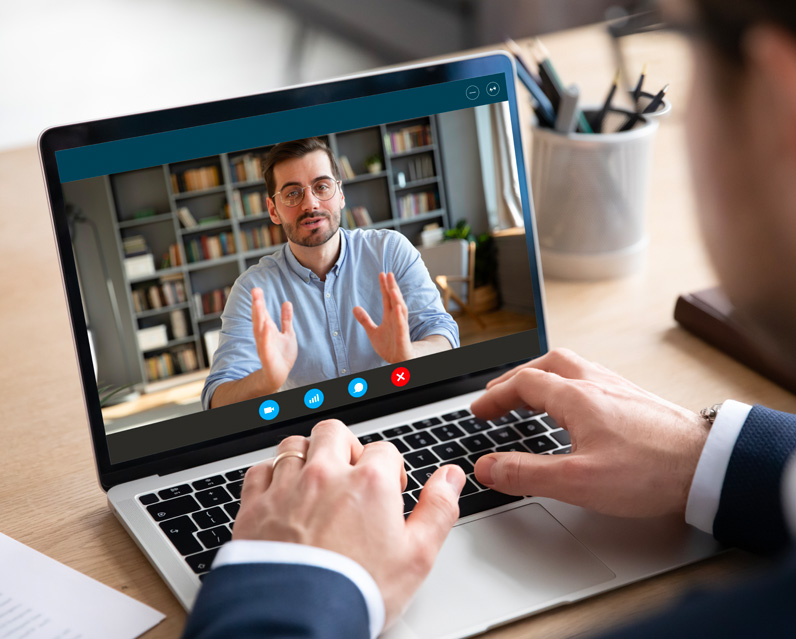
A typical workflow involves scheduled calls where the closer speaks directly with potential clients. These conversations are often conducted through video conferencing platforms. The structure of these calls follows a strategic flow, starting with rapport building, moving into needs analysis, and ending with an offer presentation. Each stage is designed to build trust and clarity.
Communication tools are essential in this process. Remote closers commonly use CRM systems to track client information and follow-up tasks. They also rely on scheduling software to manage appointments across different time zones. Messaging platforms and email tools are used for ongoing communication and nurturing leads who are not yet ready to buy.
The system works efficiently because it separates marketing from closing. Marketers generate interest, while closers focus entirely on conversion. This specialization increases efficiency and allows each role to focus on its strengths. As a result, businesses can scale faster and operate globally.
Key Responsibilities of a Remote Closer
Remote closers handle the most critical stage of the sales process, which is converting leads into paying customers. Their responsibilities go beyond simply presenting an offer. They must understand customer motivations, identify pain points, and position the product or service as the ideal solution. Every conversation requires active listening and strategic communication.
Closers are also responsible for handling objections. This involves addressing concerns such as price, timing, or product suitability. Instead of pushing for a sale, they guide the client through their hesitation in a respectful and confident manner. This builds trust and increases the likelihood of conversion.
Another key responsibility is maintaining professionalism during high-pressure conversations. Since many deals involve high-value offers, clients expect clarity and confidence. Closers must remain calm, persuasive, and solution-focused throughout the interaction. After a sale is completed, they may also assist with onboarding or handoff processes.
Key responsibilities include:
- Conducting discovery and sales calls with potential clients
- Understanding customer needs and emotional drivers
- Presenting tailored solutions and offers
- Handling objections with confidence and clarity
- Closing deals and securing payments
- Following up with leads who are not yet ready to purchase
- Maintaining CRM records and sales data accuracy
Each responsibility plays a role in ensuring smooth communication and high conversion rates.
Skills Needed to Succeed in Remote Closing Jobs
Success in remote closing jobs requires a combination of soft skills and technical knowledge. Communication is the foundation of the role, as every interaction depends on how well ideas are expressed and understood. Strong verbal skills help build trust quickly during calls. Active listening is equally important because it allows closers to understand client concerns in real time.
Emotional intelligence plays a major role in reading customer behavior and adjusting tone or approach accordingly. Confidence is also essential because clients often look for reassurance before making high-value decisions. Without confidence, it becomes difficult to guide conversations effectively.
Time management is another critical skill since remote closers often work with multiple leads daily. Organization helps ensure that no opportunity is missed. Technical skills are also necessary, especially familiarity with CRM tools, video conferencing platforms, and sales tracking systems.
Types of Products and Services Sold in Remote Closing Roles
Remote closing jobs are most commonly associated with high-ticket industries where products or services are sold at premium prices. These offers often require explanation, trust-building, and personalized communication. The most common industries include online education, business coaching, and software services.
Many remote closers work with coaching programs that teach business, fitness, or personal development skills. Others sell SaaS products that help companies improve productivity or marketing performance. Consulting services are also popular, especially in business and finance sectors.
Some of the common categories include:
- Online coaching and mentorship programs
- Digital courses and educational platforms
- SaaS and subscription software solutions
- Business consulting and marketing services
- Health and fitness transformation programs
- Financial education and investment training programs
These industries rely heavily on trust and perceived value, which makes skilled closers essential for success.
How Remote Closing Jobs Generate Income
Income in remote closing jobs is primarily commission-based, meaning earnings depend on the number of deals closed. Each sale can range from a few hundred to several thousand dollars in commission depending on the product. This structure creates strong earning potential for skilled professionals.
Some companies also offer base salaries combined with commissions, but performance-based income is more common. The more deals a closer completes, the higher their monthly earnings become. High performers often earn significantly more than traditional office-based sales roles.
Income levels vary based on experience, industry, and product pricing. Beginners may start with lower commissions while building skills, but experienced closers can scale their income rapidly.
Entry Pathways Into Remote Closing Jobs
Entering remote closing jobs does not always require a formal degree, but it does require skill development and training. Many professionals start by learning basic sales principles through online courses or mentorship programs. Others begin in entry-level roles such as appointment setting before transitioning into closing.
Freelance platforms and remote job boards also provide opportunities for beginners. Some individuals work with agencies that specialize in placing closers with businesses. Training programs often simulate real sales environments to help new closers build confidence.
Tools and Platforms Used in Remote Closing Careers
Remote closers rely on a variety of digital tools to manage their workflow efficiently. These tools help streamline communication, track leads, and manage appointments. Without these systems, handling multiple clients would be difficult.
Common tools include:
- CRM systems for tracking leads and customer data
- Video conferencing platforms for sales calls
- Calendar tools for scheduling appointments
- Email automation systems for follow-ups
- Payment processing platforms for transactions
- Sales dashboards for performance tracking
These tools create a structured environment that supports high-performance sales activities.
Advantages of Working as a Remote Closer
Remote closing offers several advantages that attract professionals from different backgrounds. One of the biggest benefits is location independence, allowing individuals to work from anywhere with internet access. This flexibility makes it appealing to digital nomads and remote workers.
Another advantage is high earning potential. Since income is commission-based, there is no fixed ceiling on earnings. Skilled closers can significantly outperform traditional salary-based roles.
Other advantages include:
- Flexible working hours
- Opportunity to work with global clients
- Fast skill development in communication and persuasion
- Career scalability into leadership roles
- Exposure to high-value industries
These benefits make remote closing an attractive career path for ambitious individuals.
Challenges Faced in Remote Closing Jobs
Despite its benefits, remote closing also comes with challenges. One of the main difficulties is handling rejection. Not every lead will convert, and closers must maintain confidence despite setbacks. This requires emotional resilience.
Income instability can also be a challenge, especially for beginners who rely solely on commissions. Consistency in performance is essential for financial stability. The role can also be mentally demanding due to constant communication and performance pressure.
Working remotely requires discipline, as there is no physical supervision. Staying focused and organized is essential for success in this field.
Differences Between Remote Closing Jobs and Appointment Setting
Remote closing and appointment setting are often confused, but they serve different purposes in the sales process. Appointment setters focus on qualifying leads and scheduling calls for closers. Their role is primarily supportive and involves initial communication with prospects.
Remote closers, on the other hand, handle the final stage where sales are completed. They take over warm leads and guide them toward purchasing decisions. Closers require stronger persuasion and negotiation skills compared to setters.
While setters may earn lower commissions, closers have higher income potential due to their direct impact on revenue. Both roles are essential in a structured sales system.
Remote Closing as a Career Path
Remote closing can develop into a long-term career with multiple growth opportunities. Many professionals transition into sales management roles, where they train and oversee other closers. Others become consultants or start their own agencies.
Some closers build personal brands by sharing sales knowledge and training others. This opens opportunities in coaching and education. The skills gained in remote closing also apply to entrepreneurship and business development.
Common Misconceptions About Remote Closing Jobs
There are several misconceptions about remote closing that often mislead beginners. One common belief is that it is an easy way to make money quickly. In reality, success requires skill development, practice, and persistence.
Another misconception is that no experience is needed at all. While formal education is not required, training and practice are essential. Some people also assume that all deals are guaranteed, but sales always involve uncertainty.
Remote closing is a legitimate career that requires dedication and continuous improvement.
Industries Actively Hiring Remote Closers
Many industries actively recruit remote closers due to the increasing demand for online sales professionals. These industries include:
- Online education and coaching companies
- SaaS and technology businesses
- Digital marketing agencies
- Financial consulting firms
- Health and wellness programs
Each of these industries relies on skilled closers to convert leads into paying clients.
How to Prepare for a Remote Closing Career
Preparation for remote closing involves both skill development and mindset training. Learning basic sales techniques is an important first step. Practicing communication through role-playing exercises can help build confidence.
Familiarity with CRM systems and sales tools is also essential. Understanding buyer psychology improves performance during conversations. Many aspiring closers also study objection handling techniques to improve conversion rates.
Future Trends in Remote Closing Jobs
Remote closing is expected to evolve as technology continues to advance. Artificial intelligence will likely assist in lead qualification and customer insights. However, human closers will still play a critical role in building trust and emotional connection.
Globalization of online business will increase demand for remote sales professionals. Hybrid models combining automation and human interaction will become more common. This evolution will continue shaping the future of digital sales careers.
Frequently Asked Questions About What Is Remote Closing Jobs
What is remote closing jobs in simple terms?
Remote closing jobs are online sales roles where professionals finalize deals through virtual communication. They work with leads provided by businesses and guide them toward purchasing decisions.
Do you need experience to start remote closing?
Experience is helpful but not always required. Many beginners start with training programs or entry-level sales roles. Learning and practice play a major role in success.
How much can remote closers earn?
Earnings vary widely depending on skill level and industry. Some closers earn a few hundred dollars per sale, while experienced professionals can earn thousands per deal.
Is remote closing a legitimate career path?
Yes, remote closing is a legitimate and growing career in digital sales. It is widely used by online businesses and high-ticket industries.
What industries hire remote closers the most?
Industries such as online education, SaaS, coaching, and consulting frequently hire remote closers.
Can remote closing be done part-time?
Yes, some professionals work part-time, although full-time commitment often leads to higher income and better results.
What skills are most important for remote closing success?
Communication, emotional intelligence, active listening, confidence, and time management are essential skills.
How do remote closers find clients or leads?
Most leads are provided by companies through marketing funnels, ads, or webinars, so closers focus mainly on conversion.
Takeaway
Remote closing jobs represent a modern evolution of sales that blends communication skills, digital tools, and performance-based earning potential. Understanding what is remote closing jobs helps clarify how online businesses operate and scale in today’s digital economy. The role is both challenging and rewarding, requiring persistence, adaptability, and strong interpersonal skills. As online industries continue to grow, remote closing will remain a valuable career path for those willing to develop their sales expertise and embrace remote work opportunities.