
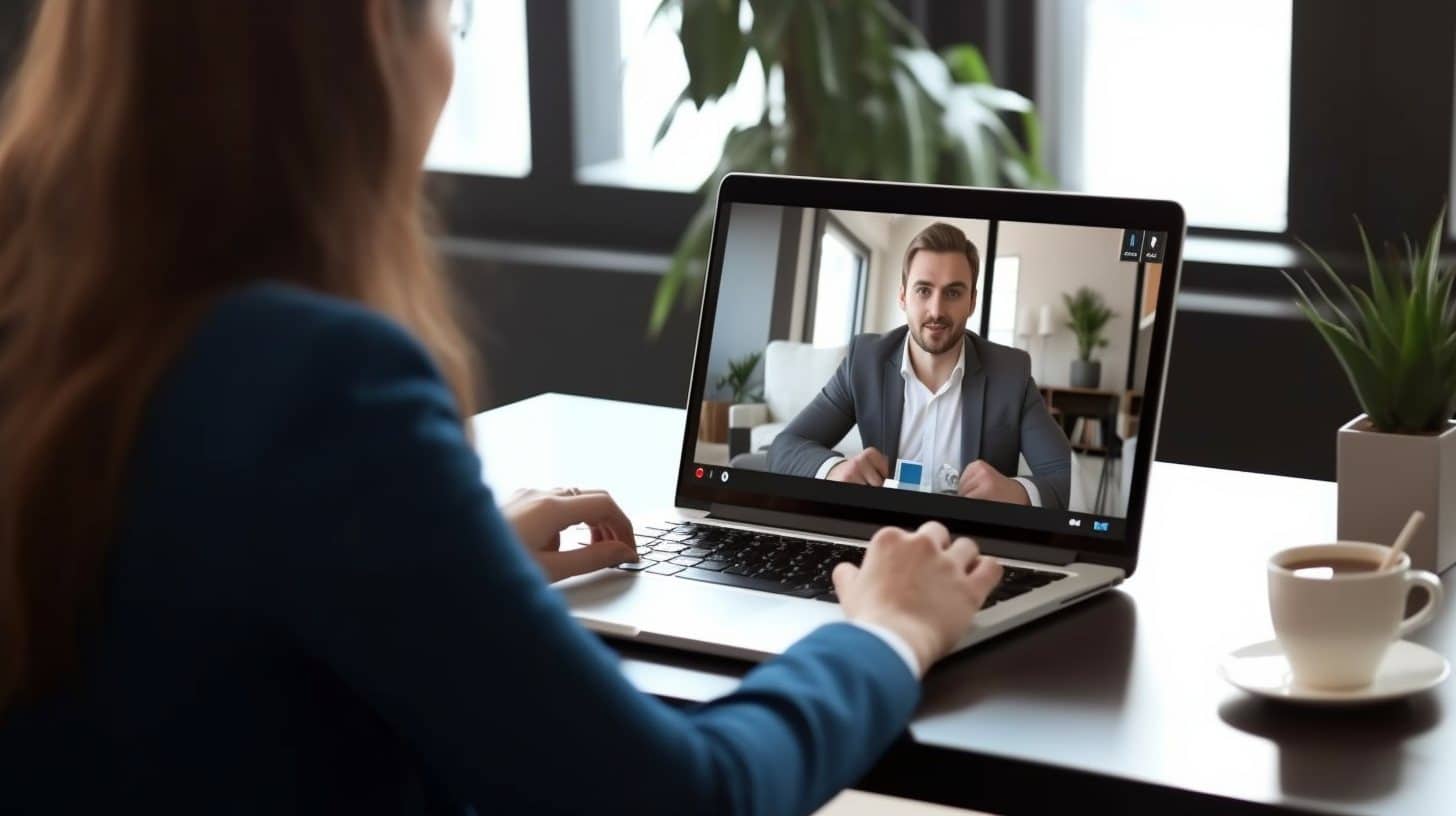
Understanding what is remote closing high ticket sales
Remote closing high ticket sales refers to the process of selling high-value products or services entirely through virtual communication channels without meeting the client in person. The keyword what is remote closing high ticket sales describes a modern sales role where trained professionals handle sales conversations through phone calls, video calls, and digital communication tools. These closers focus on premium offers that often range from thousands to tens of thousands of dollars per transaction. Unlike traditional sales roles that rely heavily on face-to-face meetings, this approach operates fully online, making it accessible from anywhere in the world. Businesses use remote closers to connect with qualified leads who have already shown interest in their offers. This makes the role more focused on persuasion, relationship building, and guiding decision-making rather than cold outreach.
Remote closing high ticket sales has grown rapidly due to the rise of online businesses and digital education companies. Many entrepreneurs now sell coaching programs, consulting services, software, and other premium digital products. These offers require skilled communicators who can confidently handle objections and help clients understand value. Remote closers step into this role after marketing teams generate leads and schedule calls. The closer then engages in structured conversations designed to identify needs and present solutions. This entire process happens virtually, often through platforms like Zoom or Google Meet.
In this environment, success depends heavily on communication skills rather than physical presence. The ability to build trust through conversation is essential. Remote closers must understand psychology, buying behavior, and emotional triggers that influence purchasing decisions. The role is performance-driven, meaning income is often tied directly to closed deals rather than fixed salaries. This creates a high-reward environment for individuals who develop strong sales abilities. As a result, many professionals are attracted to this career path due to its income potential and flexibility.
Evolution of High Ticket Sales in the Digital Economy
The shift toward remote closing high ticket sales did not happen overnight. It developed alongside the expansion of digital entrepreneurship and online learning platforms. Businesses began realizing that they could sell premium services without needing physical offices or in-person meetings. As technology improved, video conferencing and CRM systems made remote selling more practical and scalable. This allowed companies to hire sales professionals from different parts of the world.
High ticket sales used to rely heavily on direct, in-person relationships. However, digital transformation changed how trust is built between businesses and customers. Online branding, webinars, and automated funnels now bring in qualified leads ready for conversation. Remote closers step into the process at the most critical stage of the buyer journey. They convert interest into action by guiding prospects through structured conversations.
Key factors that shaped this evolution include:
- Growth of online coaching and education industries
- Expansion of SaaS and subscription-based platforms
- Increased global internet accessibility
- Adoption of remote work culture across industries
- Development of advanced CRM and sales tracking tools
These changes made it possible for sales teams to operate efficiently without geographic limitations. Today, companies prioritize remote closers because they offer flexibility and scalability. This shift has created a global marketplace for skilled sales professionals who can work from anywhere.
Core Function of a Remote High Ticket Closer
A remote high ticket closer is responsible for converting qualified leads into paying clients through structured conversations. The role begins after marketing teams generate interest and schedule appointments. The closer then conducts a discovery call designed to understand the client’s goals, challenges, and motivations. This conversation is not about pushing a product but about identifying alignment between the offer and the client’s needs. Trust-building is at the center of every interaction.
The daily responsibilities of a remote closer often include:
- Attending scheduled sales calls via video or phone
- Reviewing lead information before each conversation
- Asking strategic questions to uncover client pain points
- Presenting solutions in a value-driven manner
- Handling objections with clarity and confidence
- Guiding prospects toward a purchase decision
Each call requires preparation and emotional intelligence. A successful closer listens more than they speak, ensuring that the client feels understood. The goal is to create clarity, not pressure. When done correctly, the conversation feels natural and consultative rather than transactional. This approach leads to higher conversion rates and stronger client relationships.
How Remote Closing High Ticket Sales Works in Practice
Remote closing operates through a structured sales pipeline that begins with marketing and ends with payment. Leads are typically generated through advertisements, content marketing, or referrals. Once a lead shows interest, they are qualified and scheduled for a sales call. The remote closer then steps into the process to conduct the conversation.
The structure of a typical sales call includes:
- Building rapport and establishing trust
- Understanding the prospect’s current situation
- Identifying challenges and desired outcomes
- Presenting the high ticket offer as a solution
- Addressing objections and concerns
- Guiding the client toward enrollment
Each stage is designed to move the conversation forward naturally. Remote closers must adapt their communication style based on the client’s personality. Some clients require more analytical explanations, while others respond better to emotional storytelling. The flexibility to adjust is what makes a closer effective.
After the call, follow-ups may be required depending on the client’s readiness. Many deals are closed after multiple touchpoints rather than a single conversation. This process ensures that clients make informed decisions aligned with their goals.
Types of High Ticket Offers Sold Remotely
Remote closing is most commonly used in industries where products or services carry significant value. These offers often solve complex problems or provide long-term transformation. Because of their price point, they require skilled sales professionals to communicate value effectively.
Common high ticket offers include:
- Online business coaching programs
- Digital marketing consulting services
- SaaS platforms and enterprise software solutions
- Health, fitness, and transformation coaching
- Real estate investment programs
- Professional certification courses
- Mastermind groups and mentorship packages
Each of these industries relies on trust and expertise. Clients are not just buying a product; they are investing in outcomes. This makes the role of the remote closer essential in bridging the gap between interest and commitment.
Essential Skills Needed for Remote Closing High Ticket Sales
Success in remote closing depends on a combination of communication, psychology, and discipline. Unlike many roles, technical expertise alone is not enough. Emotional intelligence plays a major role in understanding client motivations and guiding conversations effectively.
Key skills include:
- Active listening and empathy
- Persuasive communication techniques
- Objection handling strategies
- Confidence in high-pressure conversations
- Ability to build rapport quickly
- Time management and self-discipline
Remote closers must also develop resilience. Not every conversation leads to a sale, and rejection is part of the process. The ability to remain consistent despite setbacks is crucial for long-term success. Continuous learning and practice also play a significant role in skill development.
Sales Funnel and Process Behind Remote Closing
The remote closing process is part of a larger sales funnel designed to attract and convert leads. Marketing efforts bring awareness, while sales conversations finalize decisions. Each stage of the funnel plays a specific role in guiding the customer journey.
A typical funnel includes:
- Awareness through ads or content
- Lead capture via landing pages
- Qualification through forms or surveys
- Appointment scheduling
- Sales call execution
- Post-call follow-up sequences
This structure ensures that closers only engage with qualified prospects. It increases efficiency and improves conversion rates. By the time a closer speaks with a lead, there is already interest established, making the conversation more productive.
Tools and Technology Used by Remote Closers
Remote closing relies heavily on digital tools to manage communication and workflow. These tools help streamline the sales process and improve organization.
Common tools include:
- CRM platforms for tracking leads
- Video conferencing tools like Zoom
- Scheduling software for appointments
- Email automation systems
- Payment processing platforms
These tools allow remote closers to manage multiple clients efficiently. They also help maintain structured communication and follow-up systems. Without these technologies, managing high ticket sales remotely would be significantly more difficult.
Compensation Structure in Remote High Ticket Sales
Remote closing is often performance-based, meaning income depends on results. Many closers earn commissions based on the value of deals they close. This structure creates high earning potential for skilled professionals.
Common compensation models include:
- Percentage-based commissions per sale
- Base salary plus commission structures
- Tiered commission systems based on performance
- Bonuses for meeting targets
Earnings can vary significantly depending on the industry and offer price. High ticket deals often result in substantial commissions, making this career financially attractive for many individuals.
How Businesses Benefit from Remote High Ticket Closers
Companies gain several advantages by hiring remote closers. One of the biggest benefits is scalability without geographic limitations. Businesses can hire talent globally instead of restricting themselves to local markets.
Other benefits include:
- Reduced operational costs
- Higher conversion rates
- Access to specialized sales professionals
- Faster expansion into new markets
- Flexible workforce management
Remote closers allow businesses to focus on growth while leaving sales execution to trained professionals. This separation improves efficiency and profitability.
How to Start a Career in Remote High Ticket Closing
Starting a career in remote closing requires training, practice, and persistence. Many beginners enter through online courses or mentorship programs. Building foundational sales skills is the first step.
Steps to begin include:
- Learning basic sales communication techniques
- Practicing role-play scenarios
- Studying objection handling methods
- Applying for entry-level sales roles
- Gaining mentorship from experienced closers
Consistency and continuous improvement are essential. Over time, skills develop through real-world experience and feedback.
Industries Actively Hiring Remote Closers
Several industries rely heavily on remote closers due to the nature of their offerings. These industries typically sell high-value services or products.
Common industries include:
- Online education and coaching
- SaaS and technology companies
- Digital marketing agencies
- Real estate investment firms
- Health and wellness programs
Each of these sectors benefits from skilled closers who can communicate value effectively and convert leads into clients.
Challenges Faced in Remote Closing High Ticket Sales
While the career offers high earning potential, it also comes with challenges. Remote closers must handle rejection, fluctuating income, and performance pressure. The role requires emotional resilience and consistency.
Common challenges include:
- Managing inconsistent sales cycles
- Handling client objections effectively
- Maintaining motivation in remote settings
- Dealing with performance-based income pressure
- Building trust without physical interaction
Despite these challenges, many professionals find the role rewarding due to its flexibility and income potential.
Misconceptions About Remote Closing
Many people misunderstand what remote closing actually involves. It is not simple phone sales or scripted telemarketing. Instead, it is a strategic and consultative role that requires skill and preparation.
Common misconceptions include:
- It is easy money without training
- Only extroverts can succeed
- No technical knowledge is required
- It is the same as cold calling
- Success happens immediately
In reality, remote closing requires practice, discipline, and ongoing learning.
Remote Closing vs Traditional Sales Roles
Remote closing differs significantly from traditional sales. The most obvious difference is location flexibility. Remote closers can work from anywhere, while traditional sales often require physical meetings.
Key differences include:
- Virtual communication vs in-person meetings
- Digital tools vs manual processes
- Global client reach vs local markets
- Flexible schedules vs fixed office hours
- Performance-based income vs fixed salaries
Despite differences, both roles rely on strong communication and relationship-building skills.
Ethics and Professional Standards in High Ticket Sales
Ethics play an important role in remote closing. Trust is the foundation of every successful sale. Misleading clients or applying pressure tactics can damage long-term relationships.
Professional standards include:
- Transparent communication
- Aligning offers with client needs
- Honest representation of value
- Respecting client decisions
- Building long-term trust
Ethical selling ensures sustainable success and strong business reputation.
Training and Development Pathways
Becoming a skilled remote closer requires continuous learning. Many professionals invest in training programs or mentorship to improve performance.
Development options include:
- Online sales training courses
- Mentorship programs with experienced closers
- Practice through mock sales calls
- Studying consumer psychology
- Continuous feedback and improvement
Ongoing development is essential for long-term success in this field.
Frequently Asked Questions
What is remote closing high ticket sales in simple terms?
It is the process of selling high-value products or services through virtual conversations instead of in-person meetings.
Do you need experience to become a remote closer?
No, but training and practice are highly recommended to build essential skills.
How much can remote closers earn?
Income varies widely, but skilled closers can earn significant commissions per sale depending on deal size.
What industries hire remote closers?
Industries like coaching, SaaS, marketing, and real estate commonly hire remote closers.
Is remote closing a stable career?
It can be stable for skilled professionals who consistently develop their abilities and adapt to market changes.
What tools do remote closers use?
CRM systems, video conferencing tools, scheduling apps, and payment platforms are commonly used.
Can beginners succeed in remote closing?
Yes, with proper training, practice, and persistence, beginners can develop into successful closers.
How long does it take to become proficient?
It varies, but many people improve significantly within a few months of consistent practice.
Takeaway
Remote closing high ticket sales represents a modern, flexible, and performance-driven career path within the digital economy. It blends communication skills, psychology, and structured sales systems into a remote work environment that is accessible globally. Success in this field depends on continuous learning, emotional intelligence, and the ability to build trust through conversation. For individuals seeking a high-income skill with remote flexibility, this role offers a dynamic and evolving opportunity in today’s online business landscape.